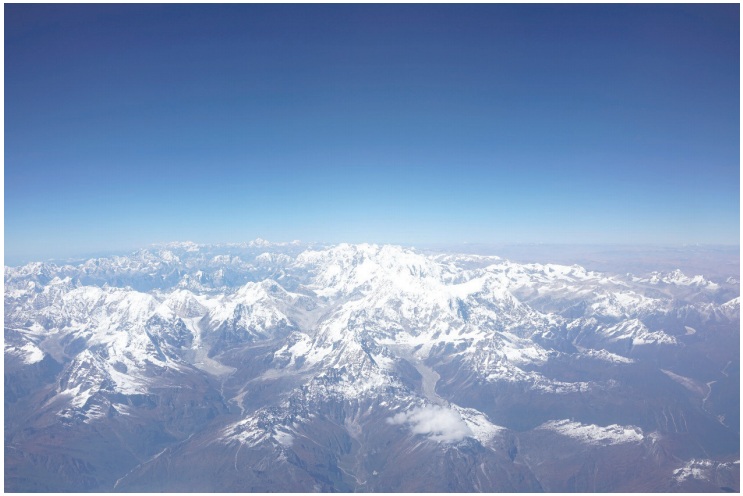
The Himalayas, world’s highest mountain range, is one of the most mountain glacier-concentrated regions, and acts as an
important water source for Asian countries. In the context of global warming, Himalayan glaciers have been undergoing accelerated
melting, the glacier mass loss rate in the early 21st century approximately doubled to that in the late 20th century. Rapid rising
temperature is the major reason for the glacier loss, additionally, relatively stable trend in precipitation and elevated emisison of
atmospheric pollutants such as black carbon contributed to the fast wastage of glaciers. Melting Himalayan glaciers will change the
hydrology of glacial-fed rivers, increase the numbers and areas of glacier lakes and enhance the related risks of glacier outburst floods.
Besides, melting glaciers can influence the water chemistry and environment and thereby result in far-reaching impacts on local and
distant eco-environmental systems and human health. The Himalayan glaciers are predicted to shrink in the future under the warming
climate. We suggest promoting scientific monitoring and research, fostering regional cooperation, and implementing coordinated
environmental protection among regional countries. These are fundamental measures to help forming a sustainable Himalayan
mountain environment and society in the future.