Through systematic analysis of North Sea peat layers — termed Earth's geological archives — scientists decoded the
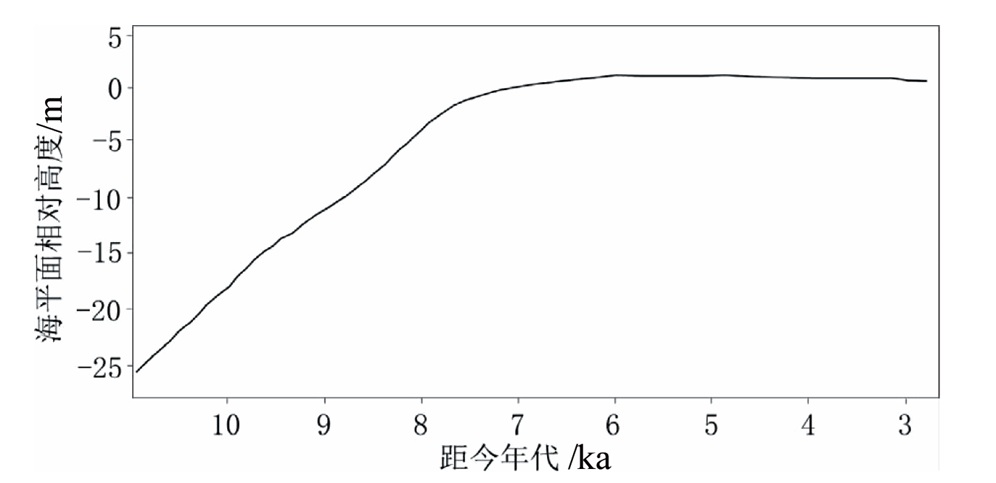
mechanisms behind drastic sea-level fluctuations over 10 000 years ago. Utilizing an integrated methodology combining radiocarbon
dating, X-ray fluorescence (XRF) core scanning, and diatom fossil analysis, the study reveals continental ice sheets as dominant
drivers: The Laurentide ice sheet (covering Canada) contributed over 20 meters to sea-level rise through meltwater discharge, while
Antarctic ice sheet unexpectedly added 8 meters, demonstrating their underestimated vulnerability. During peak melting phases
around 10 300 BP, sea levels surged at 9 mm per year — triple the current rate. A catastrophic drainage of North America's glacial lake
Agassiz 8 300 years ago released freshwater equivalent to a 0.5-meter global sea-level rise within 34 days, triggering a 200-year climatic
cooling event. Concurrently, post-glacial isostatic rebound caused Scandinavia's crust to uplift at 9 mm per year. The ecological
collapse of Doggerland's wetland ecosystems and subsequent human migrations, evidenced by submerged archaeological remains,
provide a crucial analogue for predicting the fate of modern deltaic regions facing accelerated sea-level rise.
AN Chengbang
. Dialogues acrossing millennia between ice and sea: Decoding Holocene sea-level
changes [J]. Chinese Journal of Nature, 2025
, 47(6)
: 504
-508
.
DOI: 10.3969/j.issn.0253-9608.2025.05.011

