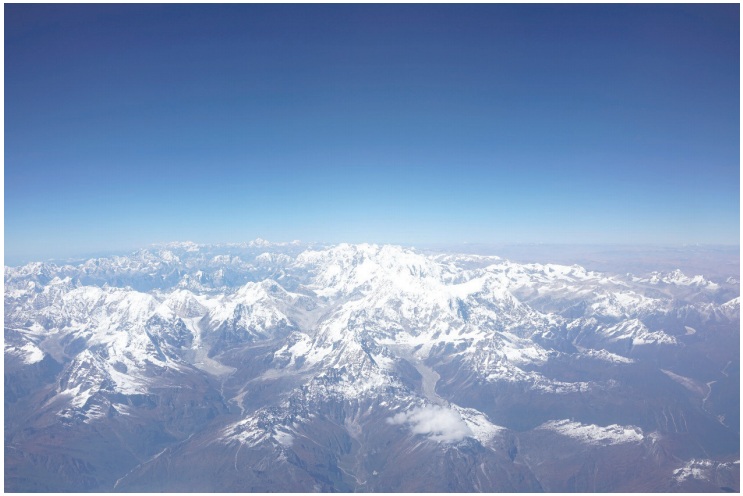
喜马拉雅山脉是全球最高的山脉,是中低纬度山地冰川分布最为密集的地区之一,是亚洲重要的水源地。随着全球和
区域变暖,喜马拉雅山脉的冰川正经历快速消融退缩,其在21世纪初的缩减速度是20世纪末的2倍。气温快速升高是造成冰
川消融的最主要原因。另外,降水量无明显增加、黑碳等大气污染物排放增加等也是造成冰川加速退缩的重要原因。冰川消
融影响补给径流的水文水资源变化,催生冰湖并增加冰湖溃决洪水等灾害风险,也会影响水环境进而对局地和远端被补给生
态环境和居民健康造成潜在影响。未来喜马拉雅地区冰川退缩仍将持续,因此,加强科学研究、促进区域合作、开展协同保
护是应对喜马拉雅地区冰川消融、实现区域可持续发展的根本。
The Himalayas, world’s highest mountain range, is one of the most mountain glacier-concentrated regions, and acts as an
important water source for Asian countries. In the context of global warming, Himalayan glaciers have been undergoing accelerated
melting, the glacier mass loss rate in the early 21st century approximately doubled to that in the late 20th century. Rapid rising
temperature is the major reason for the glacier loss, additionally, relatively stable trend in precipitation and elevated emisison of
atmospheric pollutants such as black carbon contributed to the fast wastage of glaciers. Melting Himalayan glaciers will change the
hydrology of glacial-fed rivers, increase the numbers and areas of glacier lakes and enhance the related risks of glacier outburst floods.
Besides, melting glaciers can influence the water chemistry and environment and thereby result in far-reaching impacts on local and
distant eco-environmental systems and human health. The Himalayan glaciers are predicted to shrink in the future under the warming
climate. We suggest promoting scientific monitoring and research, fostering regional cooperation, and implementing coordinated
environmental protection among regional countries. These are fundamental measures to help forming a sustainable Himalayan
mountain environment and society in the future.